It’s not not possible to make great art with no money. Hell, Tulsa artists do it all the time, putting on shows and buying supplies out of personal pockets lined with tips from serving jobs or funds from seasonal teaching gigs. But it sure is nice when a fat check arrives to support an artist’s work: it means that they can take more risks, which leads to more adventurous and powerful art—that they can do the thing they’ve been thinking about for years without skimping on its dimensions or diluting its impact.
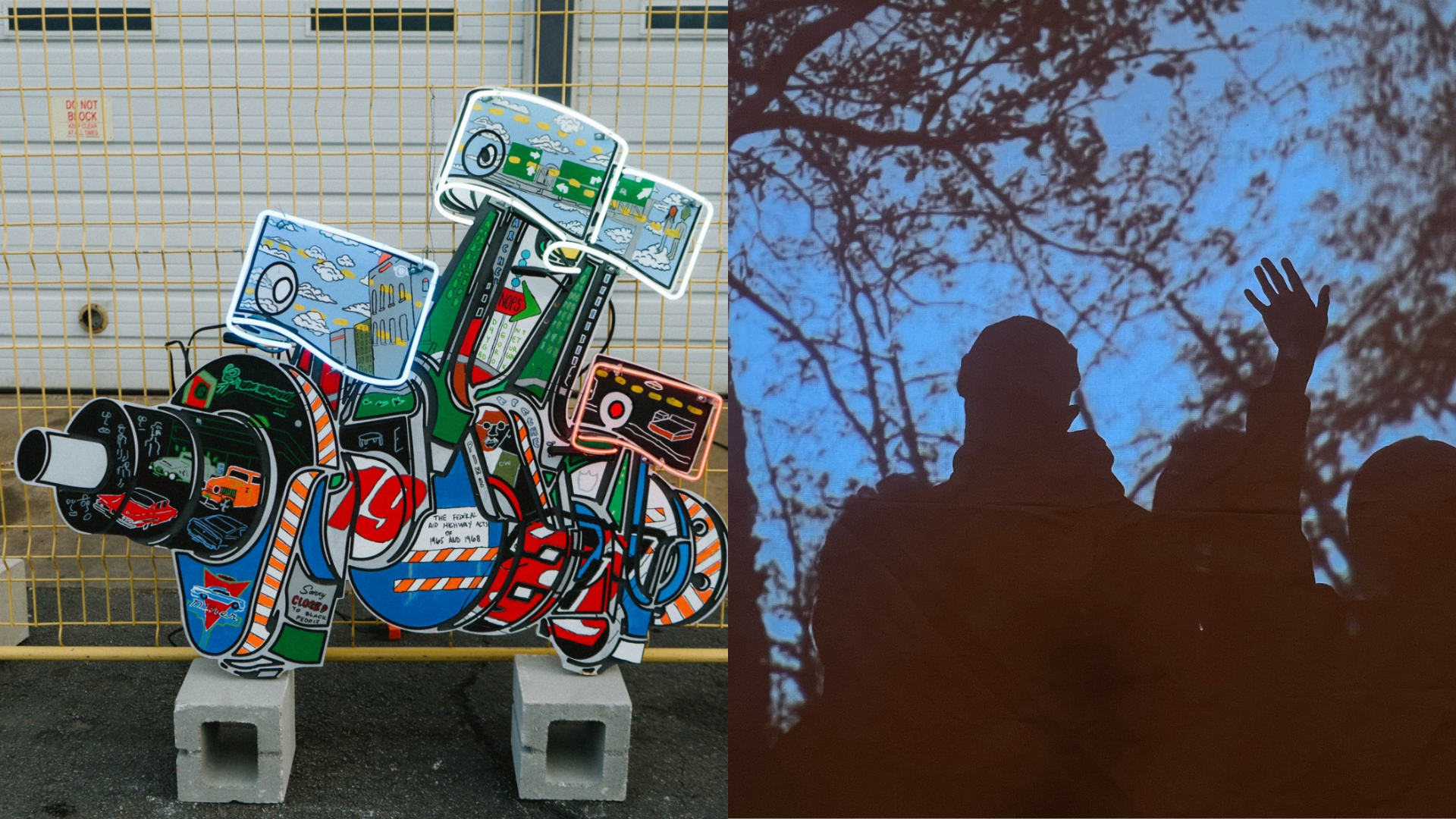
So much of the work the Artists Creative Fund has supported since 2023 has been like that. A project of GKFF in partnership with Cache Creates, ACF has lifted up a huge range of Tulsa voices. Think of Oklahoma Fashion Alliance’s 2024 show, the enchanting “Sonic Hum,” No Parking Studios’ neon homage to Black presence on Route 66, Amy Sanders de Melo’s “Invisible Voices,” “The Song of the Council Oak,” Rogelio Esparza’s portrait photography, the Pärlā Citywide Creative Festival, that trippy “Silver Seed” pod in Guthrie Green, and Loren Waters’ documentary Tiger, which won big at Sundance this summer.
ACF announced its new cohort of grantees this week and it’s a list that promises a lot of really rich times ahead for local art—everything from a children’s musical about ADHD, to a documentary about Black firefighters in Tulsa, to albums, workshops, and site-specific performances. Many of these artists (some of whom are also Pickup contributors; here’s to the multitalents out there!) have been putting in the work in Tulsa for years. Grants like this—$10,000 to each artist—are the sort of launchpad that can really make a difference in their lives and careers, and in the larger community that’s going to benefit from their visions.
Tulsa Artist Fellows Get National Recognition; ArtNow Biennial Opens In Oklahoma City
Speaking of the great work and giant career leaps that can come about with strong funding, current and former Tulsa Artist Fellows are making big moves on the national scene. Right now, Colleen Thurston (whose film Drowned Land was awarded Best Documentary Feature at the 2025 Circle Cinema Film Festival) and Tali Weinberg are part of a group show at Omaha’s groundbreaking Bemis Center; Elisa Harkins has work in “Exploding Native Inevitable” at Nora Eccles Harrison Museum of Art in Utah; Anita Fields is featured in a show at California’s American Museum of Ceramic Art; and Addoley Dzegede’s installation “Passages” is up through next spring at Washington University’s Weil Hall.
These artists are giving Tulsa a real presence in the larger art world, with practices incubated right here in the city. Same goes for the many exceptional locals represented in Oklahoma Contemporary's 2025 ArtNow Biennial, well worth a visit in OKC. The previous ArtNow exhibit, the acclaimed "The Soul Is A Wanderer," was curated by current TAF Fellow Lindsay Aveilhé, who along with Ashanti Chaplin wowed us earlier this year with Drift///Hold. In short: Tulsa-based arts people are going hard not just here but out there too.
It’s Basically Meow Wolf In Enid