


Skip to Content
Music

If I Had Missed This, I Would Have Been Pissed 

The Polish Boarte Trio put on a breathtaking show of a little-known composer after some lackluster Haydn and Debussy

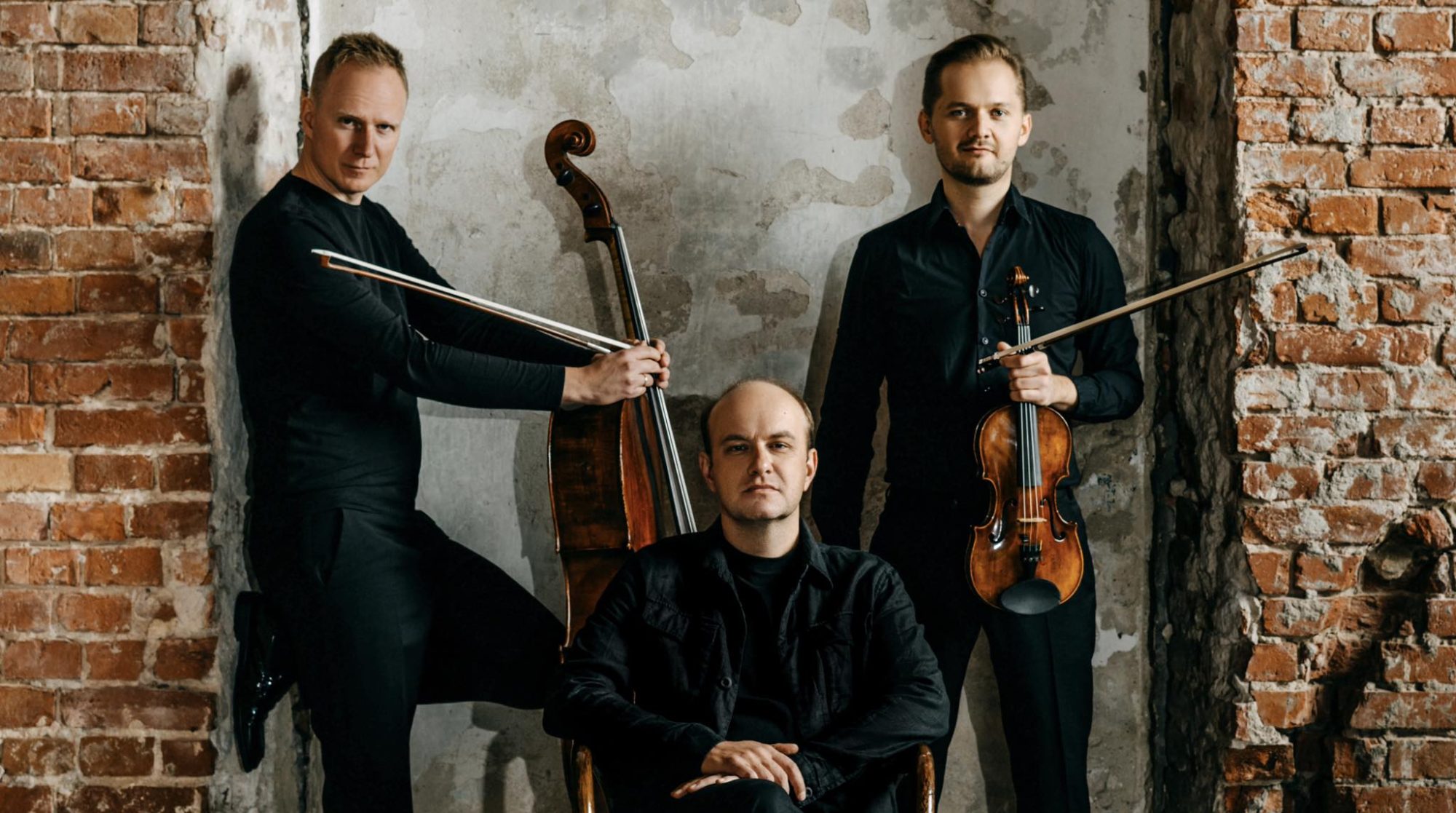
The Boarte Trio

|photo via Boarte Trio

Chamber Music Tulsa: Boarte Trio
Tulsa Performing Arts Center
March 8, 2026

Being new to these parts, I thought tornado sirens meant something, so I stayed home Friday evening and missed the Boarte Piano Trio’s concert at Renaissance Square Event Center, the opening performance of its weekend of shows hosted by Chamber Music Tulsa. The show went on without me, sirens be damned.

So I showed up for Sunday’s concert at the TPAC, and they graciously let me use my Friday tickets. I usually look up the music beforehand and give it a listen, but because of the date change I didn’t do that, so I was surprised to see a composer I’d never heard of on the Sunday program. Fitelberg? Who’s that? I was sure that the first two pieces, by Haydn and Debussy, would make up for the unknown element.

Haydn's Trio in C Major should have been an elegant, vivacious show opener, but the Polish trio underplayed and the sound was thin and pitchy. The dynamic level only reached mezzo-forte during the third movement. It sounded like they were afraid to bother us. Maybe they were a little siren-stressed, too?  

I’m a big Debussy fan, so I hoped the second piece, his Trio in G major, would sound stronger. It did, a bit, as the performers—a Type A violinist, an intellectual-looking pianist, and a hunky cellist—seemed to adjust to the acoustics of the hall. They played with more fluidity and nuance, and the Romantic harmonies (this piece is from 1880, before Debussy heard the Javanese gamelan at the Paris world expo and moved toward impressionism) filled the space. Still, I continued to feel underwhelmed. 

During intermission, I read the program and fretted. I learned that Grzegorz Fitelberg was a Polish composer, and that the Boarte Trio champions him, getting his little-known music out into the world. I also learned that the piece of his that they chose for this performance—the Piano Trio in F Minor, No. 10—clocks in at 42 minutes, twice the length of the first half of the concert, and 42 minutes is a long time to sit in the dark listening to unfamiliar music. I thought about skipping out and finding a nice happy hour situation.

Nevertheless, I persisted. And I’m glad I did.

Did the Boarte Piano Trio have a snack during intermission? Did they take vitamin B shots? Did their manager go full Moira Rose and slap them around? We may never know. But in the program’s second half, they were different. They were majestic.

The Fitelberg, composed around 1900, is a Romantic-era piece with echoes of Polish folk dances, dense harmonies, jaunty rhythms, and yearning melodies. The Boarte Trio sounded energetic and confident as they performed what is a standard concert piece for them; the soaring melodies filled up the TPAC’s Williams Theatre, in turns gloriously uplifting and quietly devastating. The musicians moved more freely as they played, and the violin and cello’s tone quality was infinitely better. The pianist commanded that nine-foot grand like he was steering a ship through a storm. It was a delight to hear. The Boarte Trio has all four movements on YouTube, and it’s well worth listening to.

Chamber Music Tulsa often challenges the audience by programming new music or music by little-known composers. The Fitelberg trio was the type of gem I’ve learned to look forward to in these concerts—an overlooked masterpiece—and it did not disappoint. 

If that weren’t enough, for an encore the musicians graced us with the “Otoño Porteño” from Astor Piazzolla’s Four Seasons of Buenos Aires. This tango-like piece is sensual and descriptive, and I heard no less than four women in the audience gasp and giggle after a particularly overt display of tonal prowess by the cellist. Once again, the Boarte Trio demonstrated mastery of the genre and of their instruments, working as one to bring us this absolute banger. 

I don't know what was going on in the first half, why it was so lackluster compared to the second. But the Fitelberg and Piazzolla were well worth coming out on a Sunday afternoon for. CMT presents its audiences with such consistently high-quality performances that I have the luxury of nitpicking about things like how well the sound carried through the space. In this case, the Boarte Trio grew on me as the concert went on, from the timid opener to the barn-burning encore. 

In a world where so much that we hear and see is edited, curated, and manipulated, live chamber music remains a rare direct-encounter experience: no microphones, no instant replay, no filter, no sets, just incredibly talented human beings playing structured, complicated music written by other human beings, many nearly forgotten. There is nothing onstage besides the black-clad musicians playing temperamental instruments they’ve worked their whole lives to master. The experience is often rumpled, or unfamiliar, or unpredictable—which makes it all the more moving when, like this one did, it comes together and soars.

Chamber Music Tulsa’s final weekend of music in the 2025-2026 season will be April 17 and 18, featuring wind quintet WindSync and pianist Jon Kimura Parker.

If you liked this story, please share it! Your referrals help The Pickup reach new readers, and they'll be able to read a few articles for free before they encounter our paywall.

Stay in touch

Sign up for our free newsletter

More from The Pickup

Tulsa Picks: The Best Tulsa Events, March 11-17

St. Paddy's Day, Hot Wheels Live, new theatre & music, plus a kung fu triple ripper

March 10, 2026

Is Nine Inch Nails The Greatest American Rock Band?

Salvation by synth with Reznor & Co. at the BOK Center

“Roughly Right” Doesn’t Need You To Be Perfect 

Alicia Kelly’s show at 108|Contemporary brings a carpenter’s materials and an artist’s mentality together

Here’s Your Guide To Tulsa Art In March

This month's new shows offer photography, painting, weaving, immersive sound, and more

March 5, 2026

The 90-Minute, One-Act Play That Made Me Weep 3 Minutes In

Spoken word meets song and movement in World Stage Theatre Company’s “for colored girls who have considered suicide / when the rainbow is enuf”

March 4, 2026
See all posts