



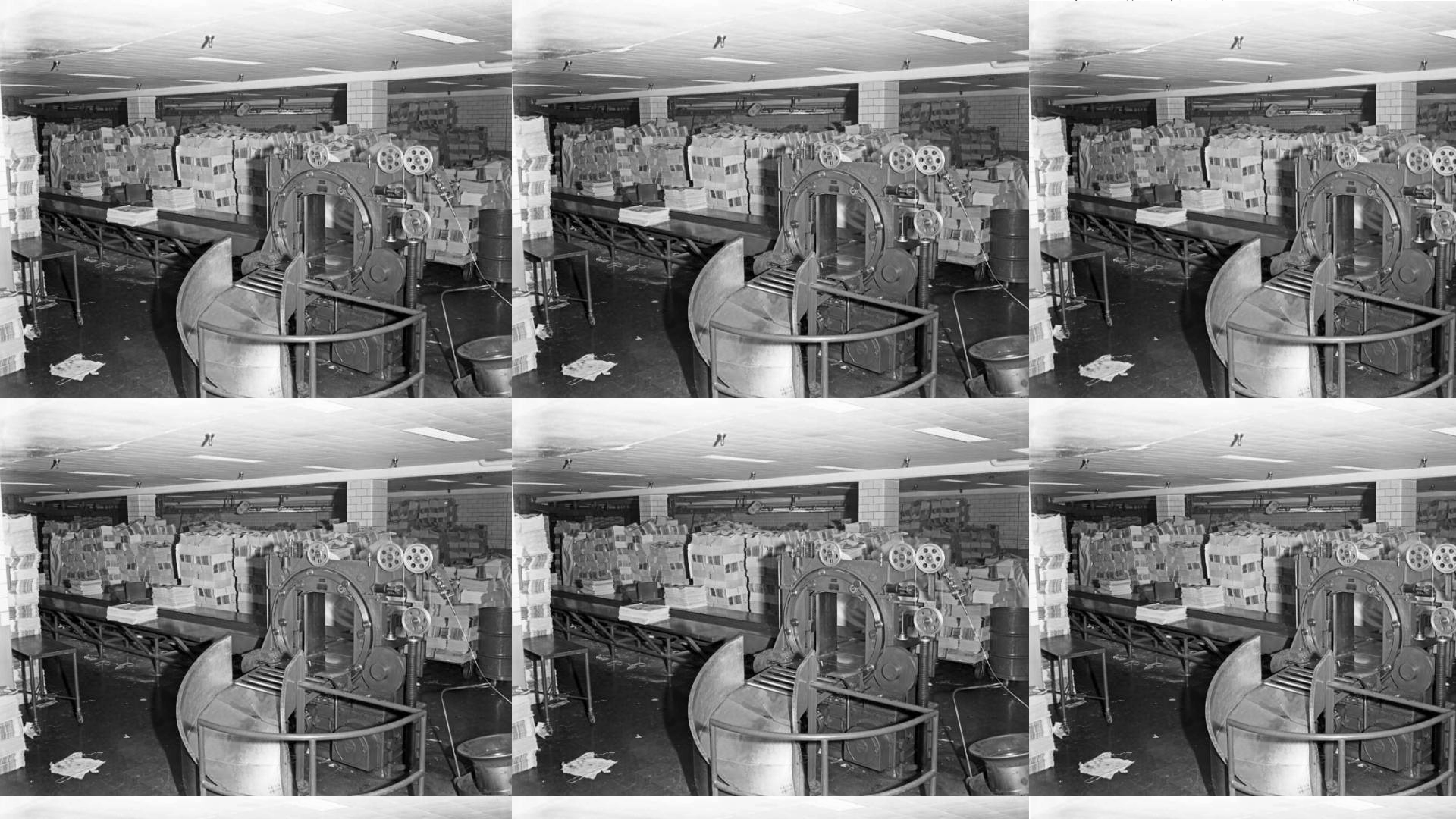
Last month, the Tulsa World laid off seven reporters and editors – the second round of cuts this year alone. The World’s newsroom has been shrinking for two decades, but the latest cuts drew extra attention for claiming well-known reporters with decades of experience covering Tulsa communities.
As Alicia Chesser memorably highlighted, the 33 years of Tulsa arts and culture coverage by laid off reporter James Watts has served as community infrastructure, “a bridge between local creators and local audiences, and a bridge between those creators and the rest of the world.”
This is how local news works at its best, empowering us to find each other. It turns me into we, transforming a random collection of neighbors into a community with a shared identity.
We can like or dislike that identity. We can disagree about what stories matter most. But without local news, our shared experiences lose meaning altogether. Without shared information, communities can’t solve problems together because they can't even agree on what the problems are.
Stay in touch
Sign up for our free newsletter, The Talegate
The consequences are measurable. Research shows that the decline of local news is associated with higher political polarization, decreased voter turnout, increased government corruption, and higher bond costs. When no one's watching city hall or the school board, special interests fill the vacuum. When no one's investigating local businesses, consumers lose protection. When no one’s connecting us to local arts and sports, our attention and dollars flow elsewhere.
But local news is also a business disrupted by huge technological, economic, and policy changes. The Local Journalist Index (LJI) from Rebuild Local News and Muck Rack reveals the average number of local journalists has dropped by 75% since 2002, from 40 journalists per 100,000 residents to less than 10. In Tulsa County, the LJI found 6.2 journalists per 100,000 people, even lower than the national average.
Local journalism didn't fail. Its business model collapsed, and we haven't sufficiently built a new one to replace it. For more than a century, newspapers were sustained by local monopolies on advertising and reader attention. If you wanted to buy a car, rent an apartment, or find a job, you looked at the local newspaper’s classified ads. If you were a business reaching local customers, you advertised there too.
The internet destroyed that model with shocking speed, and most of the revenue went to big tech companies like Google and Facebook. Many newspapers were slow to adapt and made plenty of mistakes along the way, but the collapse happening everywhere shows larger economic forces at work.
The business has changed, but the need for news about our communities hasn’t gone away. The goal isn't to resurrect that old commercial monopoly. It's to build something better: a diverse and sustainable local news ecosystem supporting many different models and platforms.
Many are trying. Hundreds of media companies like The Pickup have launched in the last decade, experimenting with models based on subscriptions, major donors, events, and sponsorships. Others, like the newly launched Tulsa Flyer, operate in a nonprofit mode with greater assistance from major philanthropies. Public media was expanding local reporting before federal funding was cut off. But these efforts, while essential, aren't yet operating at the scale needed to replace what's been lost. Local news needs a bigger economic foundation.
At Rebuild Local News, we believe public policy can provide that foundation without endangering the free press. In fact, it always has. From the earliest days of the United States, subsidized postal rates helped create a vibrant newspaper industry. With the rise of radio and television, the FCC required licensed broadcasters to provide local community programming. With cable and satellite technology, must-carry provisions kept local news in channel lineups. These policies worked because they were content-neutral, nonpartisan, and formula-based.
Following that tradition, Rebuild Local News has developed a policy menu built on the same principles. We also embrace a platform-neutral approach, with no bias toward print, broadcast, or digital news. The core idea is to give Americans more choices by broadly supporting local news, rather than having the government pick winners and losers.
We can all be part of the solution. Entrepreneurs can use the Local Journalist Index and see where opportunities exist to build something new. Philanthropists can target donations to communities with the greatest needs. If you're a reader, subscribe to The Pickup and other local outlets. If you're a business owner, advertise with local news organizations.
And if you're a citizen who cares about your community, tell your elected representatives that you want policies to rebuild local news. Tell them that supporting local news and information isn't a partisan issue—it's a community issue.
What we do next will determine whether we're still a community that knows itself, or a collection of strangers who happen to live in the same place.


