


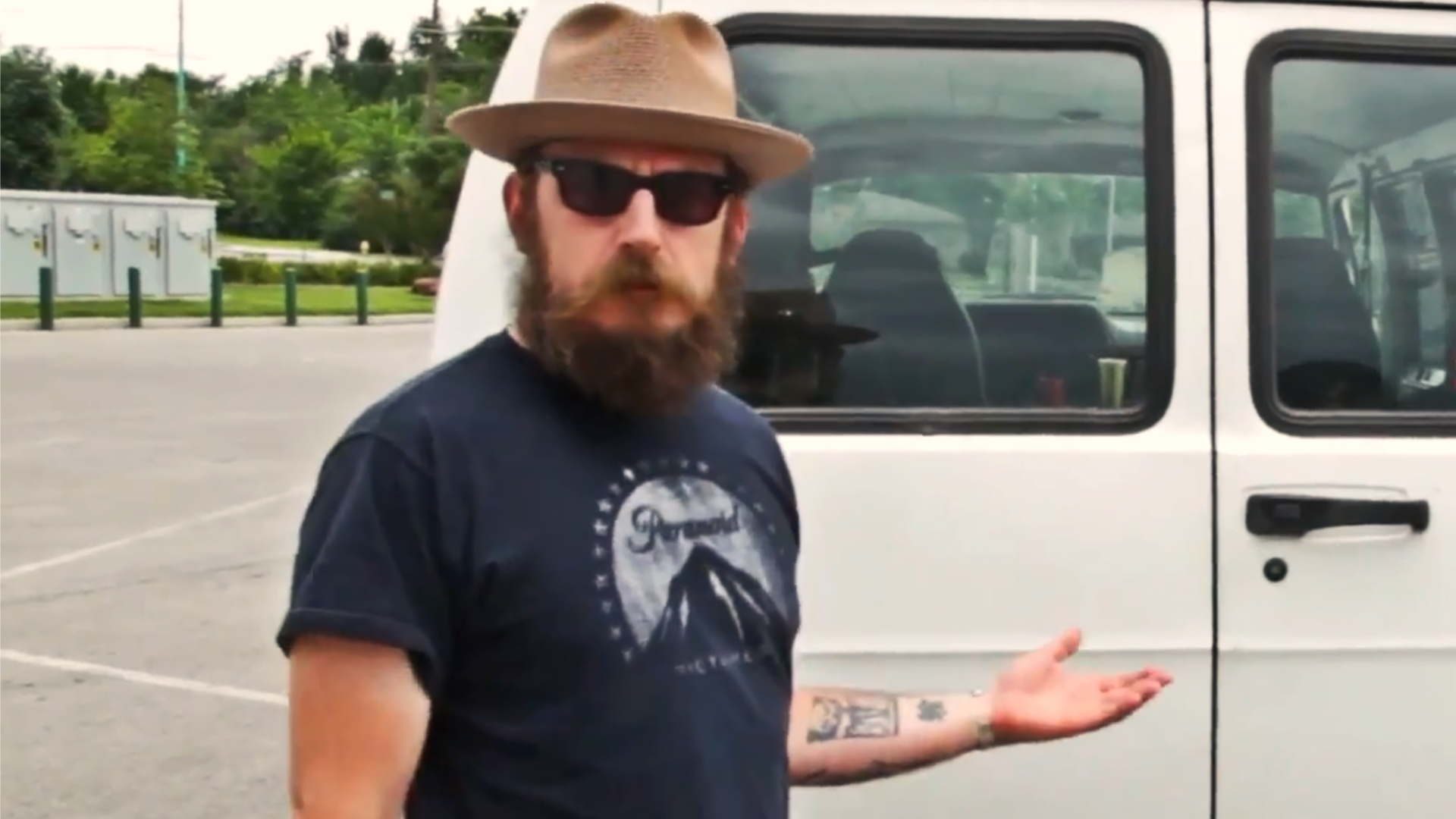
Lee Roy Chapman's practice of journalism was singular. As reporters in the 2010s combed through large data sets looking for patterns, he sought meaning in a different way: by recovering firsthand documents and historical artifacts that often were hiding in plain sight. His sources of information weren't politicos or corporate whistleblowers, they were the library archive, the flea market and even the occasional open field in west Texas.
While I never met him, I admired his work for This Land from afar. The librarians, colleagues, friends and family who knew Lee, loved him and argued with him, told me how dogged he was in search of the truth. He was truly one of a kind: a self-taught historian who wasn't afraid to confront the Tulsa public with the details of its past atrocities.
You don't have to scroll far down Facebook to find somebody who considers this work pointless or unnecessarily provocative, and to me it's anything but. Lee knew better than anyone the old aphorism that when you don't know where you come from, you can't see where you're going.
And so with The Lowdown ready to premiere this week—you can read more about Lee's connection to the show and its creator Sterlin Harjo in this letter from our publisher, Vincent LoVoi—we thought we'd present a selection of Lee's best work for This Land, alongside one Pickup story where Lee showed up as character. Here's our tribute to a one-of-one talent with a nose for Tulsa lore.
Lee was well-known to Tulsa's librarians, who helped him with the research behind this and other stories. Published in This Land in September 2011, 'Dreamland' kicked off a years-long public dialogue about city founder Tate Brady, who was no stranger to political violence.
Lee's work as a journalist was not just confined to the past. This modern story he wrote with Joshua Kline about a compound in northeast Oklahoma with ties to extremism—it was allegedly frequented by neo-Nazis, a German Nationalist, the Midwest bank robbers, and Timothy McVeigh—binds together the not-so-strange bedfellows of isolation, individualism and religion.