


.jpg)
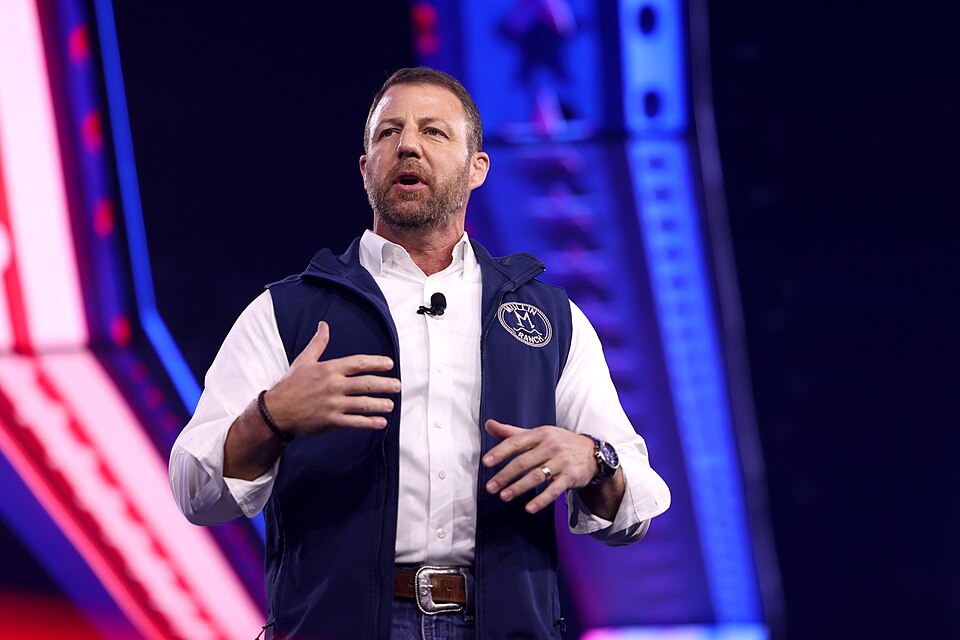
With Markwayne Mullin now in charge at the Department of Homeland Security, some Oklahoma law enforcement agencies are already cashing in on policing and carceral dollars, with more money to come.
Thanks to a present and growing trend of state and local law enforcement agencies partnering with DHS, officers and agencies across the country can now operate as extensions of ICE. Through Task Force Model 287(g) agreements, local officers receive added power to interrogate, detain, and arrest on ICE’s behalf. 34 different law enforcement agencies in Oklahoma have signed a 287(g) to date, consisting of a mix of mostly municipal police forces, county sheriff’s offices and a few state agencies.
And with great power comes great heaps of federal cash, potentially.
Stay in touch
Sign up for our free newsletter, The Talegate
Some of the billions Congress has given ICE are now trickling down to local law enforcement agencies, with DHS dangling reimbursements to ICE partner agencies for the annual salary and benefits of each participating officer. That could total $175 million for Oklahoma agencies alone, according to recent reporting by Oklahoma Watch.
If one state legislator gets her way, that number could climb even higher. Senator Lisa Standridge, R-Norman, has filed Senate Bill 2013, which would require every law enforcement agency in the state to begin the paperwork on a 287(g) by September 1, 2026. That includes county sheriff’s offices, municipal police departments, campus police departments, school district police departments, or any “other public entity in this state that employs full-time peace officers certified by the Council on Law Enforcement Education and Training (CLEET).”
If the bill passes as written, it could set up a showdown between Mullin and Tulsa Mayor Monroe Nichols, who’s on the record saying he opposes using local police in this way. Tulsa Police Department Chief Dennis Larsen affirmed in February that TPD has plenty of work to do without moonlighting as immigration agents.
With these 287(g) agreements proliferating, lines blur between local and federal authority. If DHS foots the bill for a local sheriff’s deputy, DHS might want something in return. (Outlets as woke as the Heritage Foundation have argued as much). Just imagine the consternation in Oklahoma if the Biden Administration had pushed millions in federal funds on local agencies to collaborate with their agenda. And no matter what departmental reimbursements may look like, residents can’t get back the diverted policing capacity. It’s unlikely law enforcement will return funds to taxpayers, either.
However the balance sheet eventually shakes out, many law enforcement agencies, like TPD, have decided it’s not worth the cost to make a deal with the feds at all. Major police forces in Texas, Louisiana, Tennessee, and many other states are pushing back against the 287(g) model, citing diversion of resources, erosion of community trust, and inconsistency with their local peacekeeping efforts, among other reasons.