


Tulsa Symphony Orchestra: Beach, Ravel, Stravinsky
Tulsa Performing Arts Center
March 14, 2026
With no fuss and no muss, last Saturday’s Tulsa Symphony Orchestra concert was elegantly and passionately brought to you by—women. In addition to TSO’s executive director, the conductor, and the concertmaster, about half of the orchestra Saturday were women. When I was a young pianist in the 1980s, the highest compliment I could hope for was, “You play like a man.” Now, not in New York or San Francisco, but here in deep-red Oklahoma, such a sentiment would be preposterous, and not just during Women’s History Month.
At the start of this program, the audience warmly welcomed Morgan Walker, who replaces the beloved Ron Predl as executive director. Ms. Walker is experienced, well-educated, and perfectly qualified for the role, where she will guide not only TSO but its collaborations with Tulsa Ballet and the Tulsa Chorale. I look forward to great things from her.
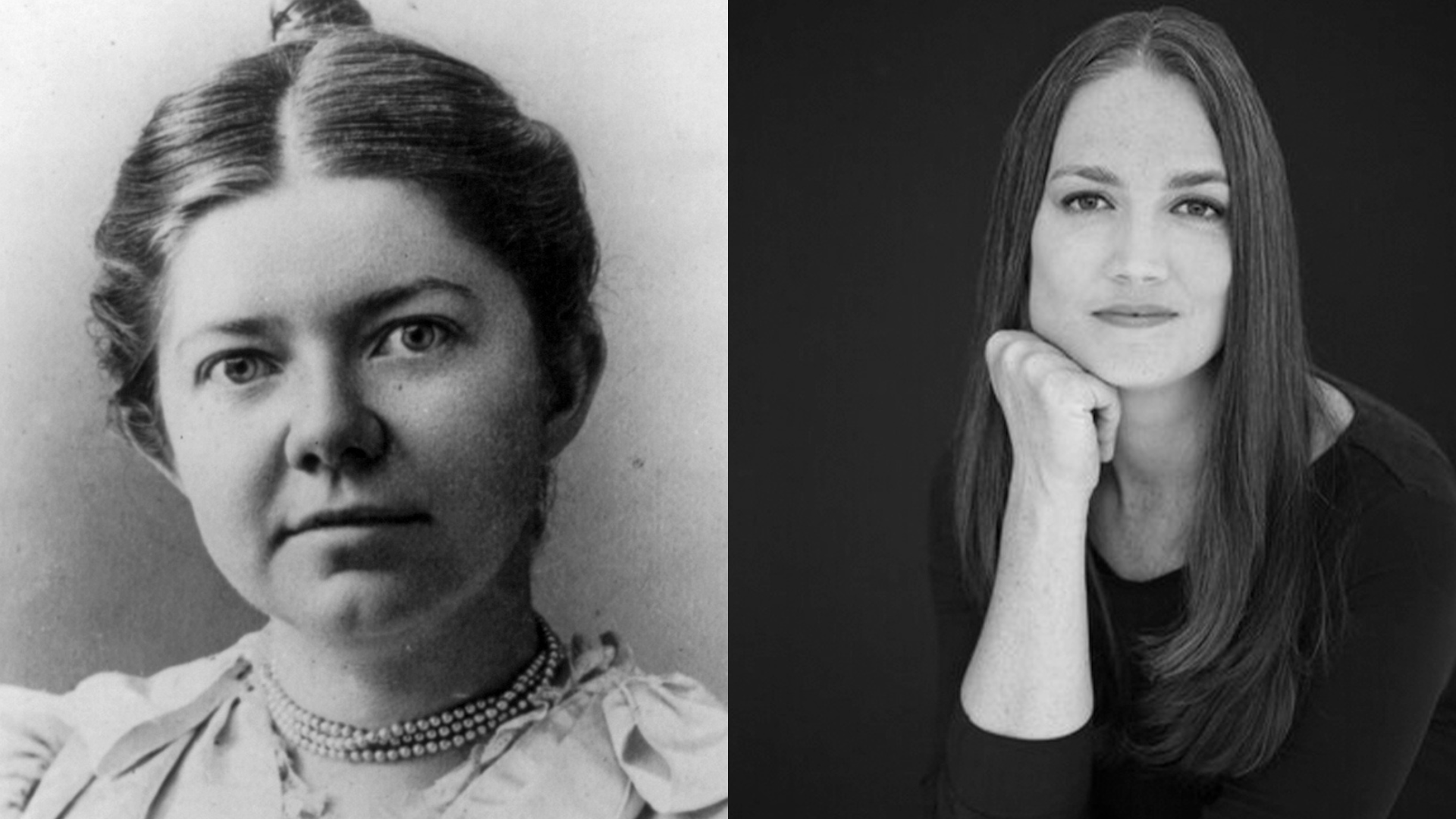
Next we met guest conductor Michelle Merrill, who kept the talking to a minimum and got right to the music. (While I appreciate the occasional anecdote from a conductor, I don’t need a musicology lecture; I’ve already read the program.) Maestro Merrill shook hands with concertmaster Rossitza Goza, and we were off to the races, starting with Amy Beach’s Gaelic Symphony. Beach (1867-1944) was the first American woman composer of classical orchestral music. She’s having a bit of a resurgence now, since the classical music world decided a couple of decades ago to program more people who aren’t old white dudes.
Beach’s symphony is a lyrical and dense composition. Written in 1896, it is tonally and emotionally a product of the romantic era, while employing classical structures. Maestro Merrill’s tempos were excellent and the orchestra responded sensitively to her gracious and exciting direction. Many soloists were in fine form for this piece: English horn, French horn, and oboe players delivered fantastic work, while Goza and principal cellist Kari Caldwell made their solos in the third movement particularly poignant.
After intermission, Maestro Merrill treated us to Ravel’s Alborado del grazioso—a lavish, exciting, and crowd-pleasing exploration of Spanish dance, the perfect short length between two longer pieces—and concluded the evening with Stravinsky’s Suite from The Firebird, one of the 20th century’s most colorful and arresting compositions, during which Maestro Merrill led TSO through a variety of emotions, from peace to terror.
Do you know what the scariest instrumental sound is, in my opinion? Not the growly low brass or the ominous tympani roll or the apprehensive plucked strings. It’s the piccolo. Yes, it can be perky and frilly, à la Stars and Stripes Forever, but when TSO began the Infernal Dance, the fourth movement in the Stravinsky suite, the piccolo provided the acoustic equivalent of the glint of steel in a knife raised overhead. People all around me jumped. Through the piece, the piccolo provided a shiver of terror that made the piece truly horrifying. On the other end of the sonic spectrum were the great bassoon solos by Richard Ramey, which really carried that familiar melody in the finale home.