



Welcome to The Pickup’s first-ever news roundup! Twice a week we’ll gather the most relevant reading/watching/listening from around Tulsa and the surrounding region for you. Now let’s get to it.
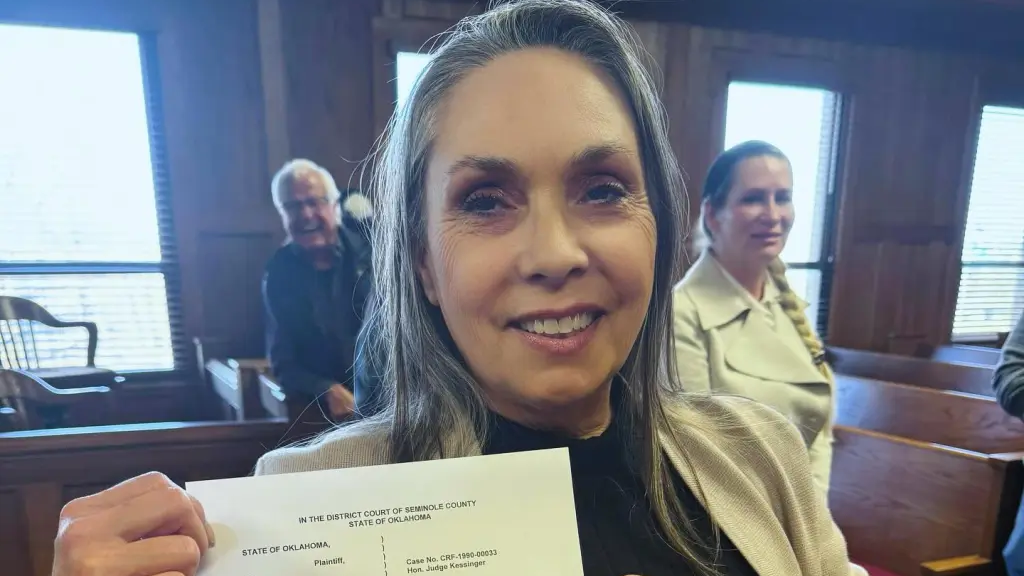
Lisa Moss made history earlier this month when she became the first survivor of abuse to have her criminal sentence reduced under the Oklahoma Survivors’ Act. Moss walked free from the Seminole County Courthouse January 8, after serving 34 years in prison on a sentence of Life Without Parole.
The Oklahoma Survivors’ Act allows victims of domestic violence charged with crimes to request their sentences be lowered if they can prove that abuse contributed to their offenses. The law may be used in trials or retroactively for survivors serving their sentences. Moss’s sentence was reduced to 30 years.
The Norman Transcript published a thorough summary of the impact:
The case represents a significant shift in Oklahoma’s approach to criminal justice, particularly in cases involving domestic violence and abuse. The Oklahoma Survivors’ Act, passed in 2024, requires courts to consider “clear and convincing evidence” of trauma and abuse as a mitigating factor in sentencing. If the abuse was a “substantial contributing factor” to a crime, the act mandates courts to reduce sentences according to suggested ranges.
Will more sentence reductions and early releases follow? We can certainly hope so. Oklahoma ranks poorly in both domestic abuse (over 65% of women incarcerated in Oklahoma have experienced either physical or sexual abuse, according to The Sentencing Project, a criminal justice advocacy group) and incarceration of women, so we’ve got a long way to go.
The reduction in Moss’s sentence is a small, historic step in the right direction. It also represents a major victory for OK Appleseed, the criminal justice nonprofit representing her.
Governor Kevin Stitt initially vetoed the bill in 2024, irking state senate pro tem Greg Treat so thoroughly that he had this to say about Stitt at the time: