


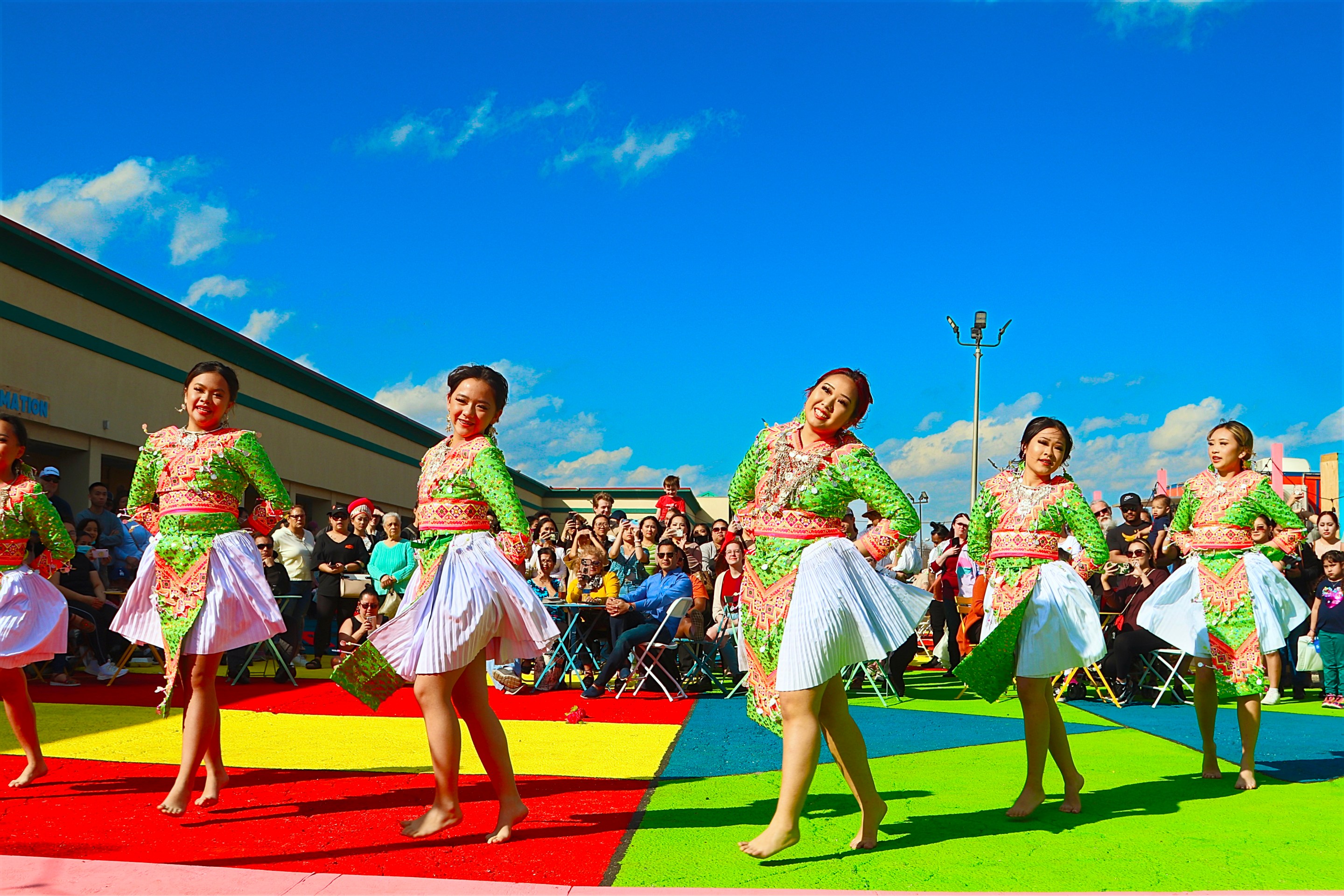
Chances are, if you ask a local where to get the best tacos or pho in the city, they'll point you to East Tulsa. The first time you venture out that way, you may see only drab strip malls and forbidding six-lane thoroughfares. But look closer and you'll find one of the most vibrant cultural nexus points in Tulsa.
Longtime residents have known this forever. (I've been shopping at Nam Hai for tea, lemongrass, and oyster sauce since I was in middle school.) Now designated as the Tulsa Global District, the area is getting a boost of visibility and a new plan for growth that aims to benefit residents and visitors alike. Its first big event happens March 5 when The Square at Nam Hai turns a parking lot into a festival plaza for a full day of experiences that showcase the brilliance of this incredibly diverse and dynamic part of the city.
The Tulsa Global District map
So what is the Tulsa Global District, exactly? First and foremost, it's a place where people live and work. Executive director Luisa Krug gave us the rundown. "We're really focused on the commercial area around 21st and Garnett from about Highway 169 to the east to Pancho Anaya to the west, and then from about 17th Street to Martin Regional Library, which is at 26th Street," Krug said. "There are a little over 200 businesses in the area, and a lot of the business owners are Hispanic, Latinx or Asian." Krug said the percentage of Hispanic, Latinx and Asian residents in the district is more than double the rest of the city.
"Those communities are just growing at an astronomically faster rate than the rest of Tulsa County. When you see positive growth in the county, a lot of it is coming from our immigrant communities and our communities of color," she said. "To me that's really exciting. I hope that in a couple years we have an Afghan restaurant! It's constantly going to be changing, but hopefully we can create something that's welcoming for immigrant entrepreneurs, a place where people want to have their business."
As of 2020, the Tulsa Global District is also an official City of Tulsa "destination district" and an Oklahoma Main Street community which means there's new capacity in place to strategize on behalf of those residents and entrepreneurs, and to bring more Tulsans out to experience things they wouldn't get elsewhere in the city. The destination districts program started in 2019 as a commercial revitalization effort that focused on places that have been disinvested in over time, but had a unique historical or cultural significance for the city: places like the Global District or the Greenwood District.
"I always give this example: nothing against Brookside or Cherry StreetI love going to those places but that's not what we were looking for because, while they obviously have needs, they've had investment over time," Krug said. "So how do we find those places where cool things are happening, but they haven't had that investment? Then really target that investment and create a program that focuses on those areas."