



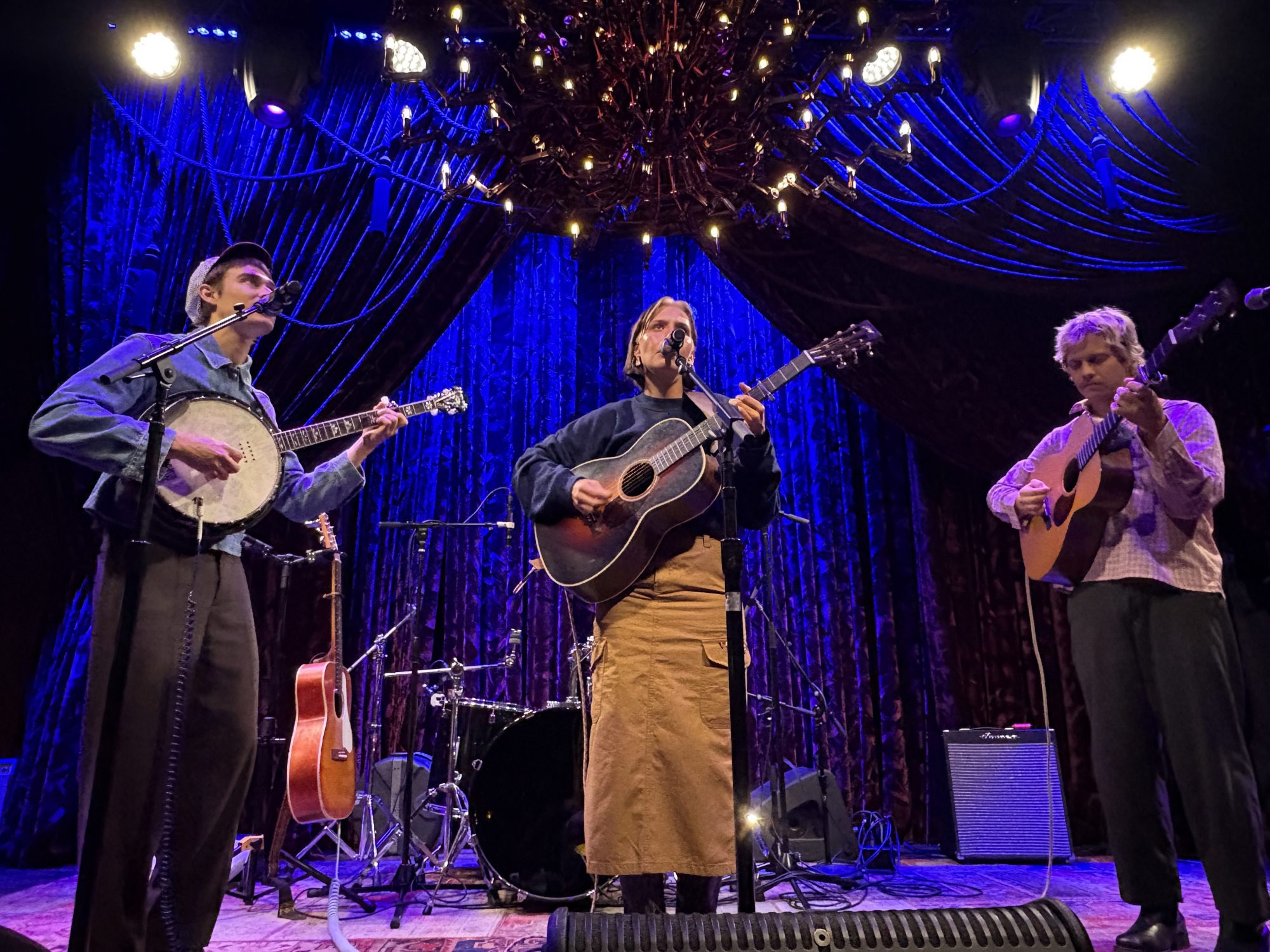
Tulsa Spotlight: AmericanaFest 2026
Nashville, TN
September 15-19, 2026
Oklahoma is undeniably associated with giants of commercial country music—Garth, Reba, Carrie, Toby, and Blake—but these days an Americana underground is gaining more traction in conversations about our music scene, especially here in Tulsa.
At Nashville’s annual AmericanaFest last month, Tulsa took center stage as the festival’s “Spotlight City,” with a roster of local artists gaining wider exposure within a packed schedule of some of the most well-respected acts in a genre that refuses to be pinned down. In a whirlwind five days of panel discussions, regional and international showcases, and awards shows in dozens of venues, from the diviest bars to the storied Ryman Auditorium, it’s clearer than ever why Tulsa deserves such recognition.
This is the second year that AmericanaFest has awarded its “Spotlight City” designation, with Fort Worth the inaugural designee in 2025. Festival leaders make their selection based on a city’s music history, infrastructure for supporting musicians, and current roster of artists. From Cain’s Ballroom to the Church Studio, from Shelter Records to Greenwood, Tulsa’s contributions to American music are historically varied and significant, but it’s our city’s more recent efforts to promote music as a workforce ecosystem beyond just entertainment that are being validated by industry leaders.
Funded by Tulsa’s hotel/motel tax (up for a vote to increase from 5% to 9% in the upcoming November 3 election), the city’s Office of Film, Music, Arts, and Culture has created programs such as “Tulsa on Tour,” a music export initiative, which provides grants to Tulsans performing outside our region. Such brand ambassador programs, now in place in cities like Huntsville, Memphis, and Austin, bring wider exposure to a city’s music culture while also allowing bands to piece together longer and farther tours, sometimes even facilitating tour partner matches who are taking advantage of multiple incentives in adjacent regions. Post-COVID, music export and other relief programs in the U.S. and Canada followed similar well-established programs in Europe and Australia, intervening in an economic crisis for artists and a wave of pent-up demand for audiences. The result of these various initiatives has been a noticeable leveling up of enthusiasm here at home and beyond for musicians who are able to bring their craft—and Tulsa’s calling card—to wider audiences.
And what is that calling card these days, anyway? With its amorphous boundaries, Americana is an appropriate lane for Tulsa music, given the similarly murky endeavor of identifying Tulsa’s regional identity. (Don’t even start with the “Tulsa is the midwest” talk!) Though relegated to a cultural blank slate in the minds of many, Oklahoma has been at the heart of much of American history in all of its complications, so along with the successes of our state’s more recognizable mainstream acts, the merging of folk, country, indie pop, swamp, and heartland rock that can be heard in current Tulsa music captures something very specific about the wide-ranging nature of this place.