

Insomniac / Kal-El / Rainbows Are Free
Vanguard
October 29, 2025
Several canaries in our Zeitgeistical coal mine ago (i.e., this summer), I heard an interesting phrase on NPR. Right before the organization’s funding was slashed, Neda Ulaby interviewed journalist Rachel Donadio about the Italian concept of “cultivare l'orticello”—literally, “to tend one’s own garden”—in times of uncertainty. Donadio introduced the phrase as an approach many Italian writers and cultural figures are taking in response to rampant political chaos. Tending one’s own garden is a way to focus on what we actually can change around us, to retreat into what’s actually nourishing instead of surrendering to the barrage of awful news.
I took this interview personally. After seeing my own health take a beating in the past few years in the face of that barrage, I’ve started asking myself: What is my own garden, anyway?
One constant is, obviously, music—specifically the support networks I’ve made through music over the decades. I’ve written before about the "family reunion” that is global metal; as a touring musician myself, I appreciate every inside joke I have with friends who’ve hosted me around the country, every breakfast michelada shared, every late night watching Robocop from the comfort of my sleeping bag on their floors. And I especially appreciate the ones like Amos Rifkin: a consistent tender of his own garden and an example of how to do life well.
If you’ve ever banged your head to a touring band at Whittier Bar, there’s a good chance Rifkin sent them. In addition to drumming for death metal legends Deceased, he’s stacked Tulsa venues with heavy bands through his Atlanta-based booking agency for over a decade. The last time my band, Blind Oath, visited Atlanta, Rifkin took us on a walk through a cemetery that’s sacred to him, and led me through a full moon ritual of his own before our show.
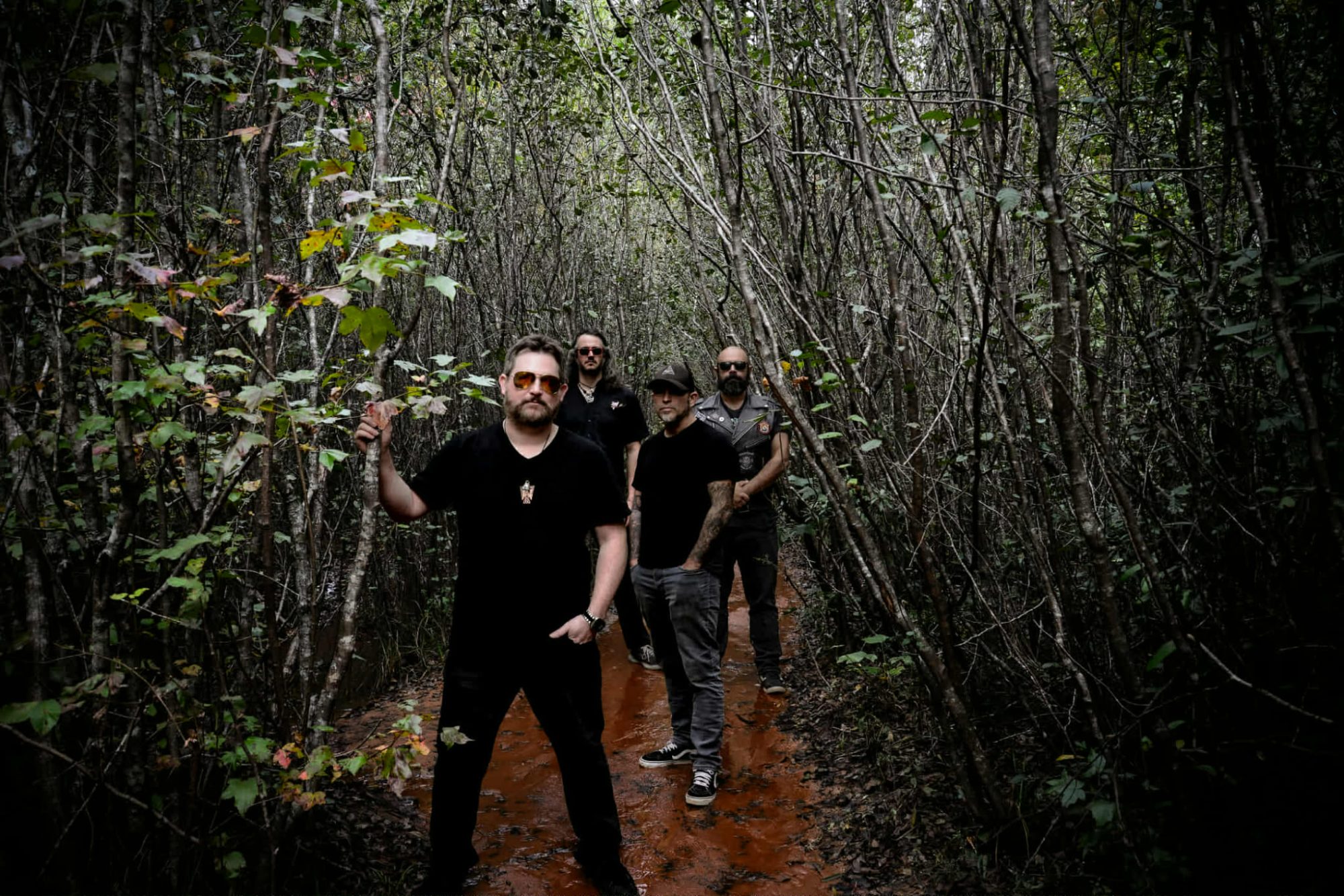
Rifkin’s been checking in during the past few months, as I’ve been tending to my garden by taking up boxing, losing 30 pounds, abstaining from booze during the week, lowering my screen time in favor of actual books, and hitting the gun range. When I heard he was coming to the Vanguard with his new band Insomniac—on a bill with Norwegian doomers Kal-El and Norman, OK’s Rainbows are Free—I knew reconnecting with him through his music would be a healthy dose of compost on my lovingly weeded garden. (I’ve also learned how to actually garden in the last year, so comparing my friend to fertilizer is a compliment.)
For Rifkin, a practicing Buddhist, Insomniac became a spiritual vessel long before he realized it. “Every time we’d play, it was like connecting to something so much bigger and lowkey meditating in that space and making a big physical offering through it,” he told me. The band’s debut, Om Moksha Ritam, mirrors the rise and fall of a psychedelic journey, its sound carrying the story before the lyrics do. Named for a mantra that first gave Rifkin a tangible sense of liberation—“roughly translating as freedom through merging with the rhythm of the universe,” he said—the album and the band mark his path toward awakening.