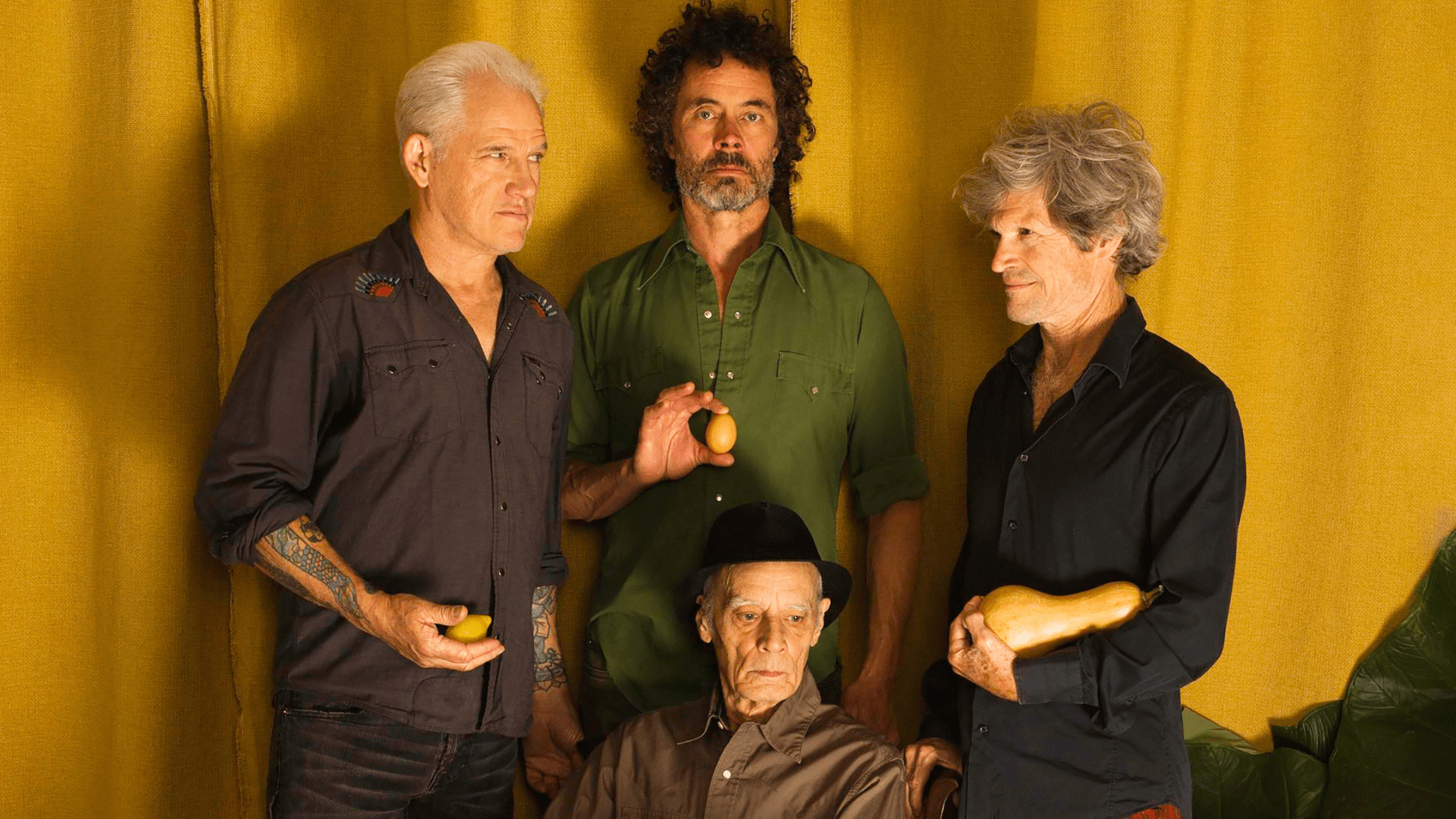
With Brian Haas on piano, James Singleton on bass, Mike Dillon on vibraphone, and Johnny Vidacovich on drums, the acclaimed New Orleans-based jazz force Nolatet returns to Tulsa this Saturday to celebrate the release of their new album Somethin’ To Relax With, recorded live last year at LowDown.
Last time he heard Nolatet, Pickup contributor Z.B. Reeves wrote that “the band delivered a stand-up-and-cheer set of nearly three hours of highly theoretical and virtuosically impressive improvisational jazz.” Turns out nasty jazz is good medicine: “Every time I thought they were getting too weird, too nasty, too ‘out there’ for me to feel comfortable listening,” he wrote, “one of the band members would break the tension with a modal run so beautiful and complicated and devastating that it shocked me out of my need to feel normal. This was cool music, delivered by cool people, in a cool place.”
Nolatet’s ties to Tulsa go far deeper than their downtown gigs. Haas grew up in Broken Arrow and studied music at the University of Tulsa, where he co-founded the genre-obliterating Jacob Fred Jazz Odyssey. That band, still cooking after more than 30 years, started a career in music for Haas that’s taken him all over the world—including to New Orleans, where he’s played with Nolatet since 2016.
Calling him a “piano giant … taking the instrument deep into an explosive, exploratory future,” Keyboard Magazine noted that Haas’ “matchless originality and soul are as much a product of his unique upbringing as they are his process of self-discovery.” As someone who’s followed Haas’ career since we were both TU undergrads, I've loved watching that process unfold.
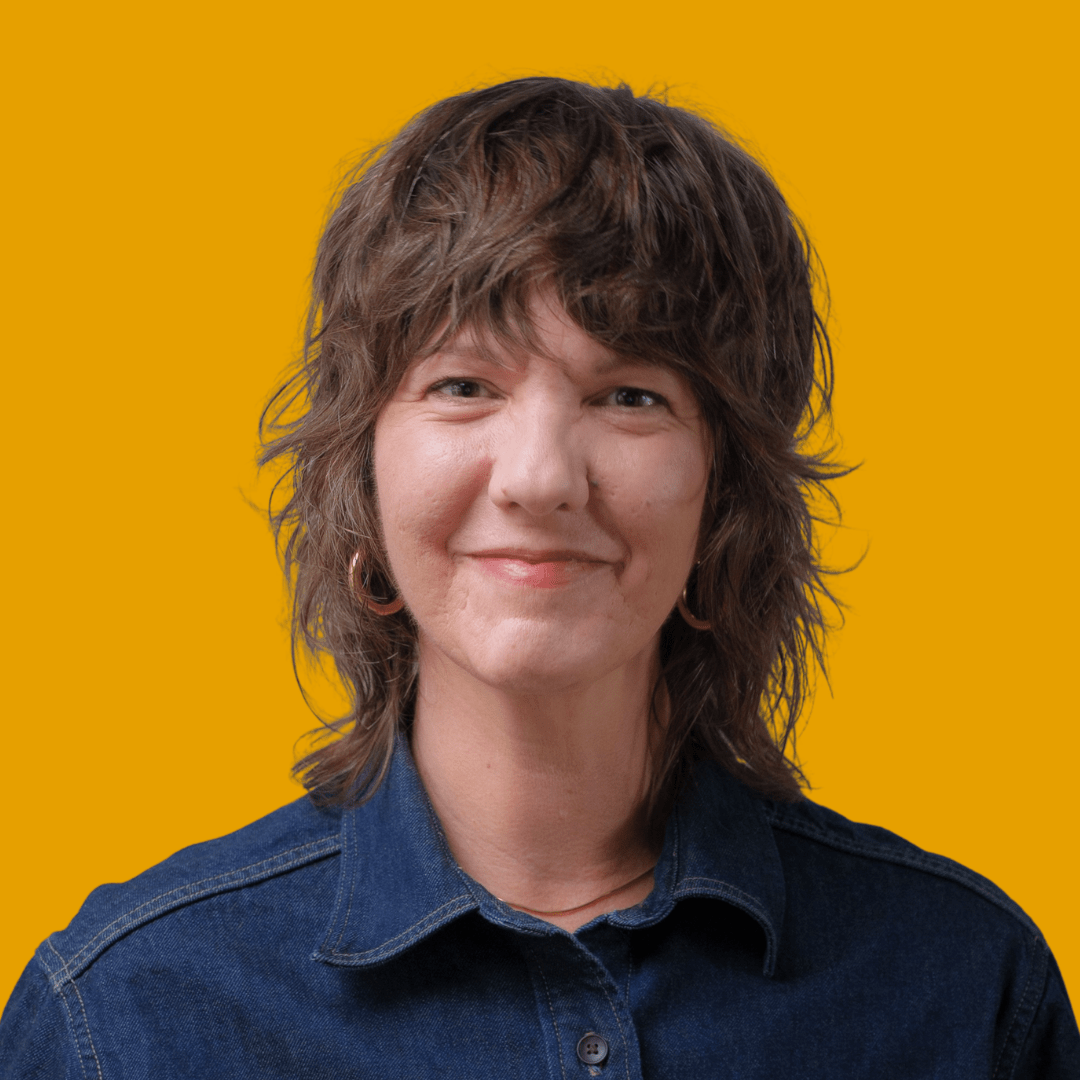
Leading up to Nolatet's celebratory LowDown shows this weekend, I talked with Haas about the influence of the ‘90s Tulsa music scene on his approach to music and why Nolatet chose to record their third album here.
Alicia Chesser: I have a vivid memory of an evening in a lecture hall at TU in the mid ‘90s, when you were improvising on the piano with Yevgeny Yevtushenko doing a reading. I remember thinking it was an electric moment — a young musician from Broken Arrow and an internationally famous poet/elder, digging into rhythm and expression together in the middle of midtown Tulsa. Do you have memories of that experience?
Brian Haas: Absolutely!!! I consider Zhenya to be one of my greatest teachers. That specific show was the first time I ever did anything like that live. It showed me the infinite potential of true improvisation. When I was making the transition from classical to jazz, Zhenya's encouragement was imperative. He told me, "The greatest classical composers were the best improvisers. Be yourself, don't worry about genres, you do something nobody else can do." He and I spent countless hours laughing, improvising, reading poetry and getting to know each other. I consider him to be a true friend and hero.