When Angelica Rodriguez's son started pre-K in 2020, his first experience with school was through a screen.
He was four years old, and his first interaction with a classroom came during the height of the COVID-19 pandemic. Now, at 10, he is in fifth grade and rides the bus every day to Eisenhower International School, a Tulsa Public magnet elementary. His language-immersion classroom has 12 students — a smaller-than-average class size because it’s difficult to transfer into an immersion program — and Angelica said she has always felt that he has been well supported by his teachers and administrators.
“I know that's not always the case in other TPS schools,” she said, “but I do think that the school has the support system of not only the educators and the administration, but also the parents.”
As her son gets closer to middle school, however, Angelica has started thinking about other options. Namely, private school.
She has heard from other parents that middle school can be difficult, particularly as students move from small class sizes into much larger ones.
“It's definitely been on my mind with middle school,” she said.
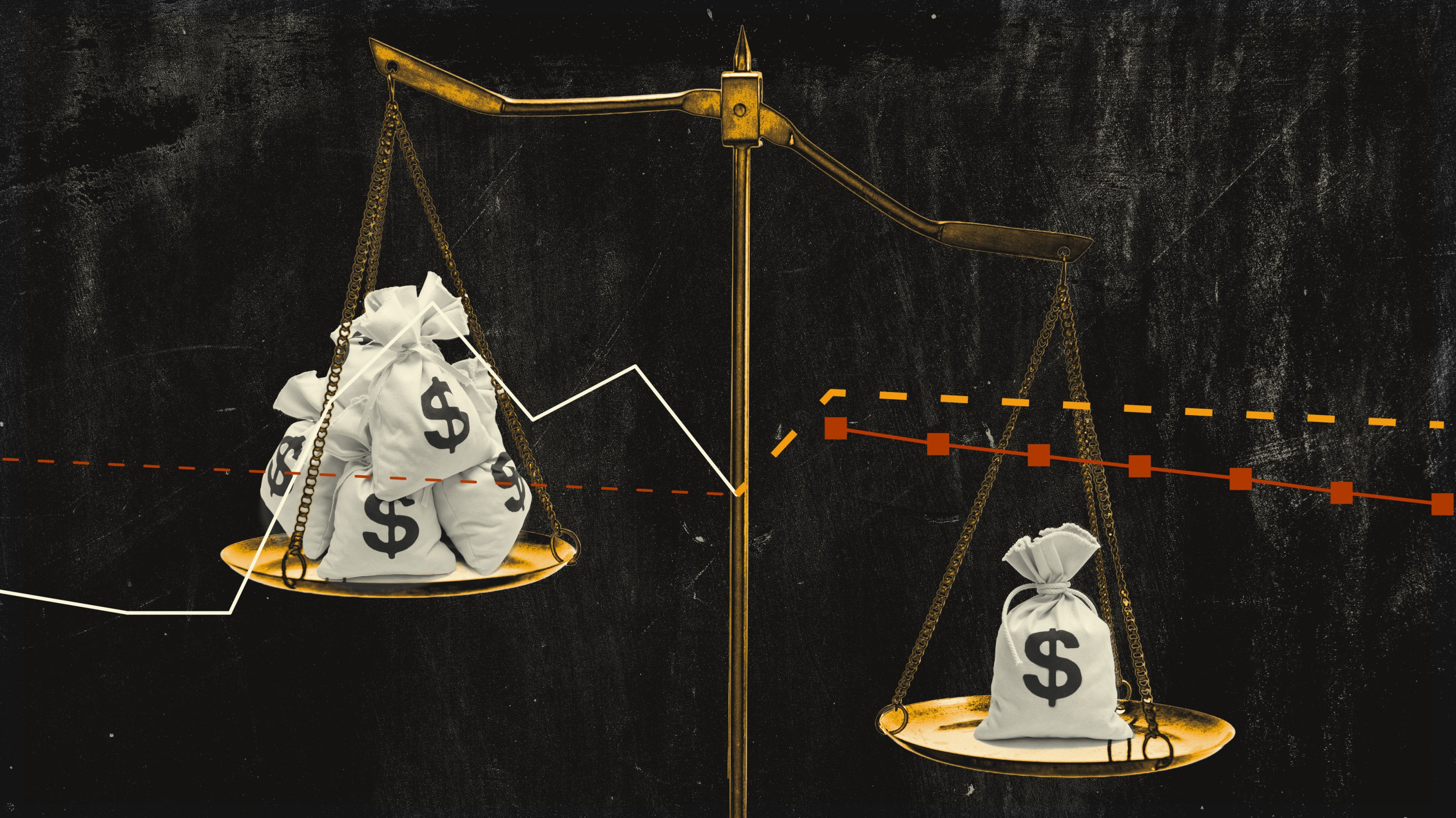
Angelica isn’t alone in thinking about private school. Last year nearly 40,000 students statewide attended a private school with the help of state money, in the form of a voucher. While Oklahoma has used vouchers to help students attend private schools for over a decade,1 the use of vouchers dramatically expanded in 2024 with the passage of the Oklahoma Parental Choice Tax Credit Act.